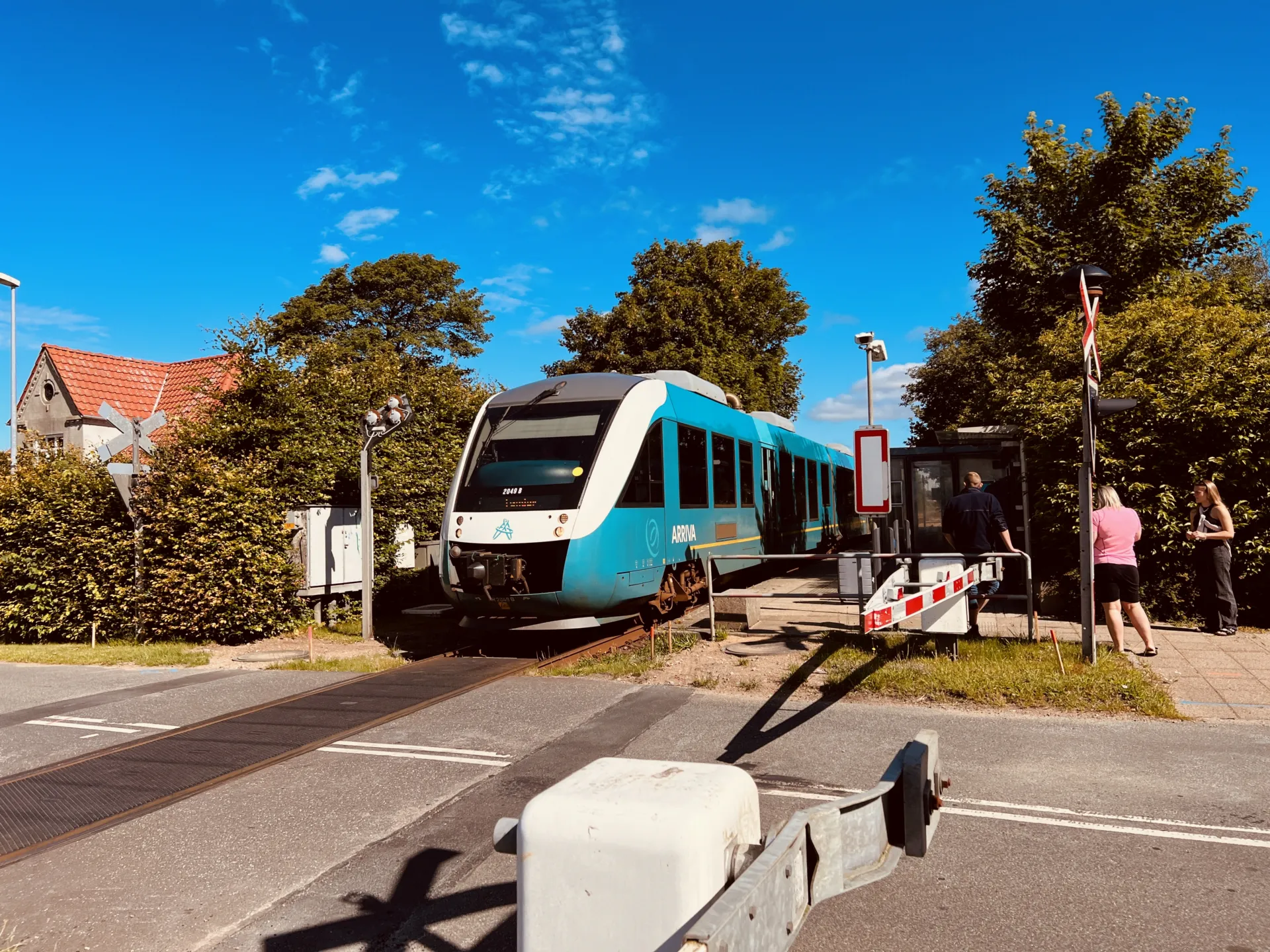
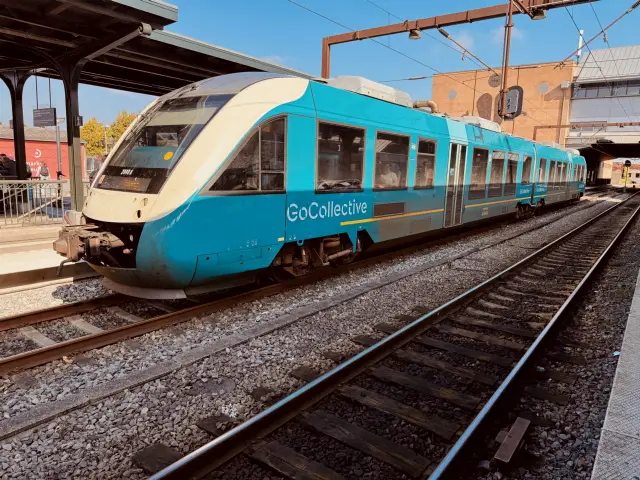
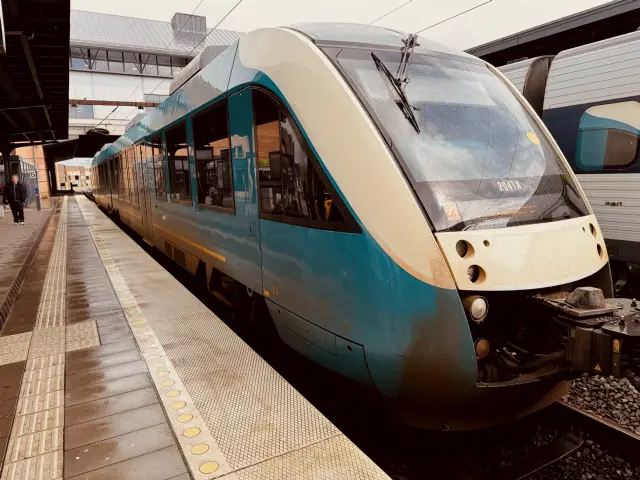
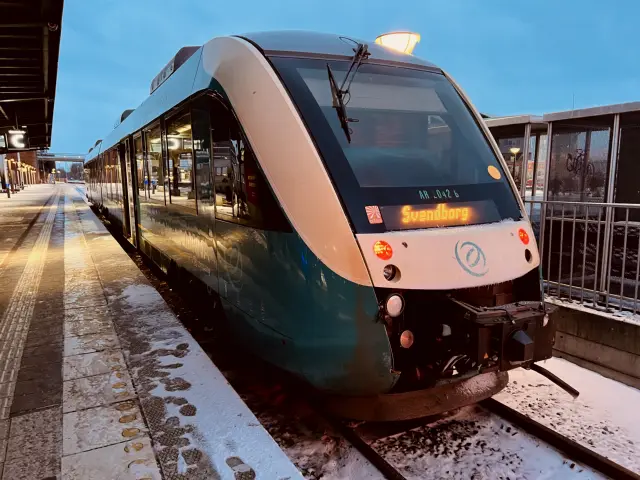
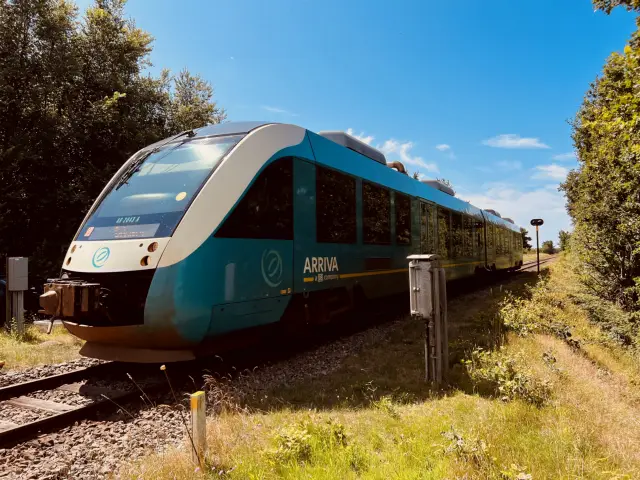
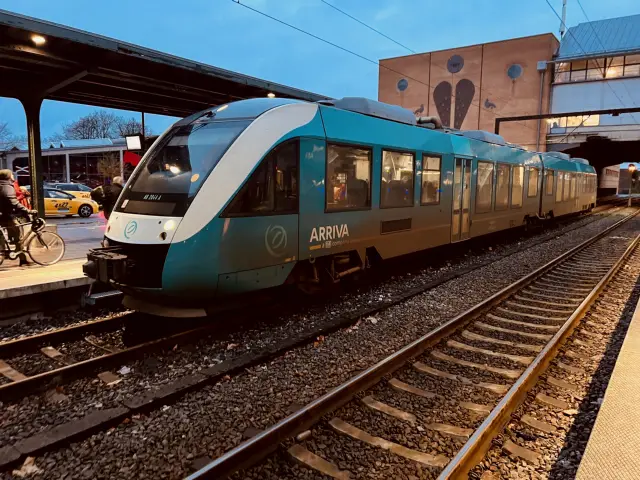
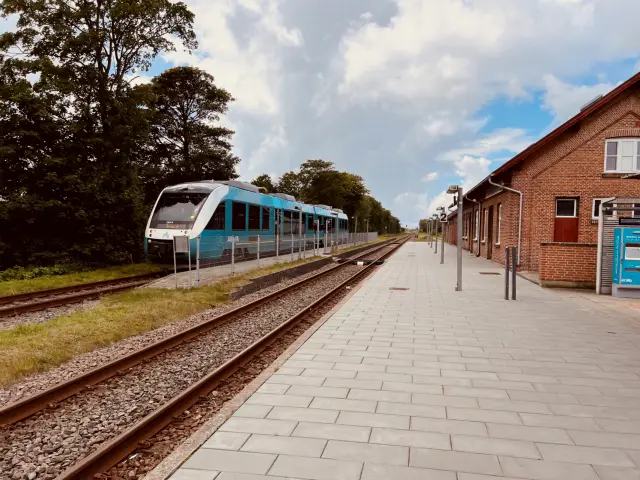
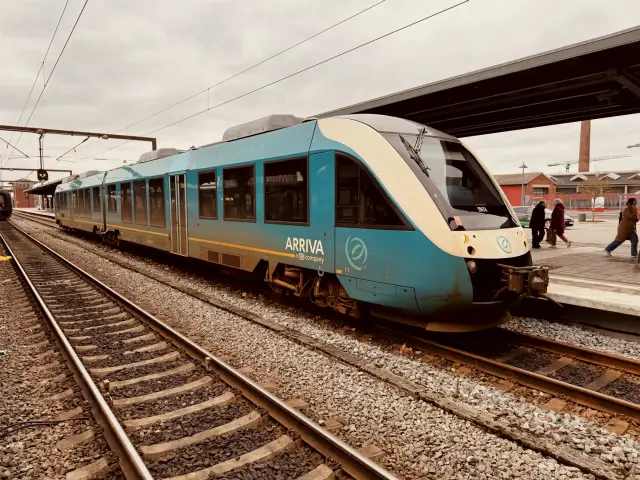
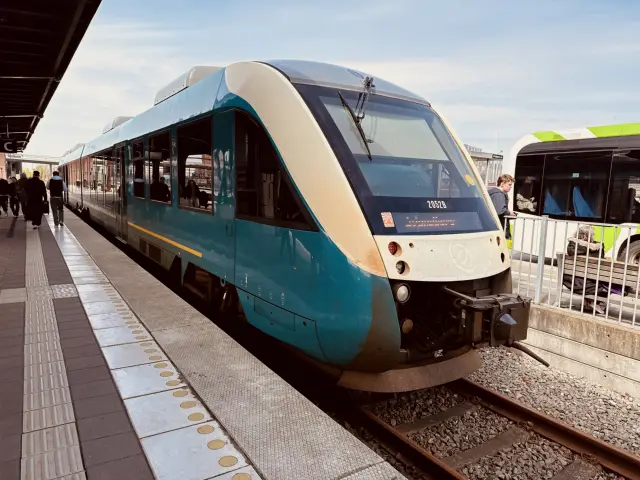
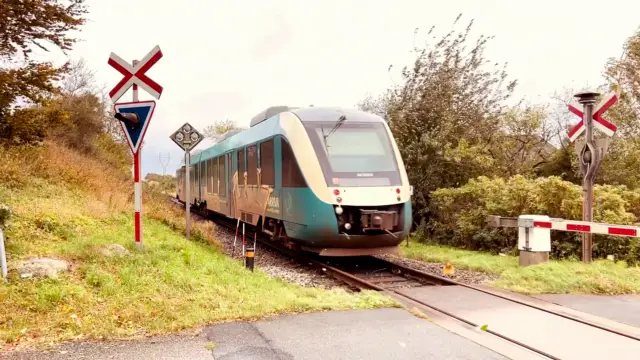
Wheel set gauge
4.13.1 Signalling
4.13.1.1 ETCS equipment on-board and the set of specifications from CCS TSI Appendix A
4.13.1.2 ETCS baseline.version (x.y). If the version is not fully compatible it shall be indicated in brackets
4.13.1.3 ETCS on-board equipment for reception of infill-function information via loop or GSM-R
4.13.1.4 ETCS national applications implemented (NID_XUSER of Packet 44)
4.13.1.5 Class B or other train protection, control and warning legacy systems installed (system and, if applicable, version)
4.13.1.6 Special conditions implemented on-board to switch over between different train protection control and warning systems.
4.13.2 Radio
4.13.2.1 GSM-R Radio voice on board and its Baseline
4.13.2.2 Number of GSM-R mobile sets in driving cab for data transmission
4.13.2.3 Class B or other radio legacy systems installed (system and, if applicable, version)
4.13.2.4 Special conditions implemented on-board to switch over between different radio systems.
4.10.1 Energy supply system
4.1.2 Speed
4.1.2.1 Maximum design speed
1435mm / Autonomous / Level 2: 120 km/h
1435mm / Autonomous / ZUB 123: 120 km/h
4.1.4 Conditions of use regarding train formation
Vehicle to be used in a predefined formation
4.1.5 Maximum number of trainsets or locomotives coupled together in multiple operation.
1435mm / Autonomous / Level 2: 3
1435mm / Autonomous / ZUB 123: 3
4.1.8 Type meets the requirements necessary for validity of the vehicle authorisation granted by one Member State in other MSs
4.2.1 Vehicle kinematic gauge (interoperable gauge)
4.3.3 Snow ice and hail conditions
nominal with snow deflector
4.4.1 Fire safety category
no category, acceptable in tunnels shorter then 1km
4.5.2 Design mass
4.5.2.1 Design mass in working order
4.5.2.2 Design mass under normal payload
4.5.2.3 Design mass under exceptional payload
4.5.3 Static axle load
4.5.3.1 Static axle load in working order
4.5.3.2 Static axle load under normal payload/ maximum payload for freight wagons
4.5.3.3 Static axle load under exceptional payload
4.6.1 Cant deficiency (maximum uncompensated lateral acceleration) for which the vehicle has been assessed
4.6.2 Vehicle equipped with a cant deficiency compensation system (“tilting vehicle”)
4.7.1 Maximum train deceleration
4.7.3 Parking brake
4.7.3.2 Parking brake type (if the vehicle is fitted with it)
4.7.3.3 Maximum gradient on which the unit is kept immobilized by the parking brake alone (if the vehicle is fitted with it)
4.7.4.1 Eddy current brake
4.7.4.1.1 Eddy current brake fitted
4.7.4.2 Magnetic brake
4.7.4.2.1 Magnetic brake fitted
4.7.4.2.2 Possibility of preventing the use of the magnetic brake (only if fitted with magnetic brake)
4.7.4.3 Regenerative brake (only for vehicles with electrical traction)
4.7.4.3.1 Regenerative brake fitted
4.8.2 Minimum in-service wheel diameter
4.8.4 Minimum horizontal curve radius capability
4.8.5 Minimum vertical convex curve radius capability
4.8.6 Minimum vertical concave curve radius capability
4.9.1 Type of end coupling (indicating tensile and compressive forces)
Automatic Type 10 / Scharfenberg
Tensile force: 0,1 kN
Compressive force: 0,15 kN
4.9.2 Axle bearing condition monitoring (hot axles box detection)
4.9.3 Flange lubrication
4.9.3.1 Flange lubrication fitted
4.9.3.2 Possibility of preventing the use of the lubrication device (only if fitted with flange lubrication)
4.11.1 Pass-by noise level (dB(A))
4.11.2 Pass-by noise level was measured under reference conditions
4.11.3 Stationary noise level (dB(A))
4.12.1 General passenger related characteristics
4.12.1.1 Number of fixed seats
4.12.1.2 Number of toilets
4.12.1.3 Number of sleeping places
4.12.2 PRM related characteristics
4.12.2.1 Number of priority seats
4.12.2.2 Number of wheelchair spaces
4.12.2.3 Number of PRM accessible toilets
4.12.2.4 Number of wheelchair accessible sleeping places
4.12.3 Passenger access and egress
4.12.3.1 Platform heights for which the vehicle is designed.
4.12.3.2 Description of any integrated boarding aids (if provided)
4.12.3.3 Description of any portable boarding aids if considered in the design of the vehicle for meeting the PRM TSI requirements
4.14.1 Type of train detection systems for which the vehicle has been designed and assessed
track circuits
axle counters
4.14.2 Detailed vehicle characteristics related to compatibility with train detection systems
4.14.2.1 Maximum distance between consecutive axles
4.14.2.2 Minimum distance between consecutive axles
4.14.2.3 Distance between the first and the last axle
4.14.2.4 Maximum length of the vehicle nose
4.14.2.5 Minimum wheel rim width
4.14.2.6 Minimum wheel diameter
4.14.2.7 Minimum flange thickness
4.14.2.8 Minimum flange height
4.14.2.9 Maximum flange height
4.14.2.10 Minimum axle load
4.14.2.12 Wheel material is ferromagnetic
4.14.2.13 Maximum sanding output
4.14.2.14 Possibility of preventing the use of sanding
4.14.2.16 Maximum impedance between opposite wheels of a wheelset