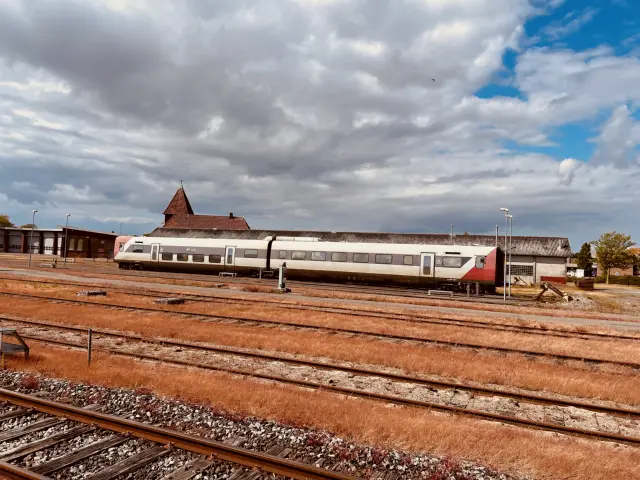
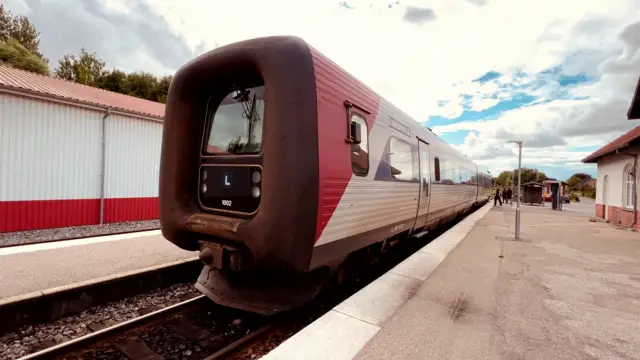
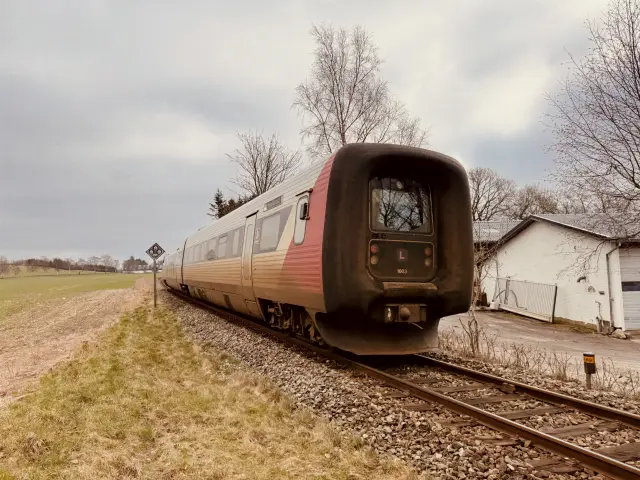
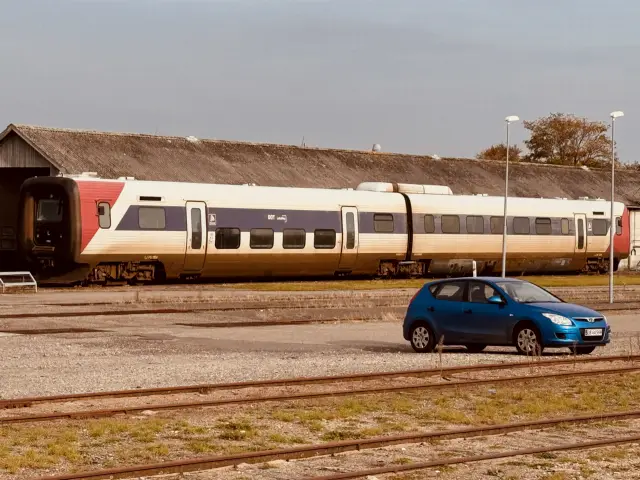
ERA's typeudtræk for LT IC2 (13-154-0002-6-001-001) registreret 10.07.2023
- Underkategori
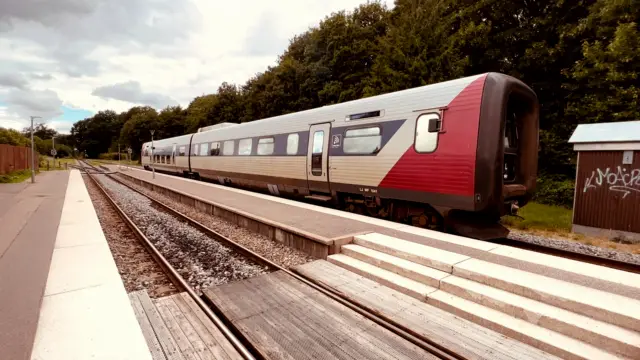
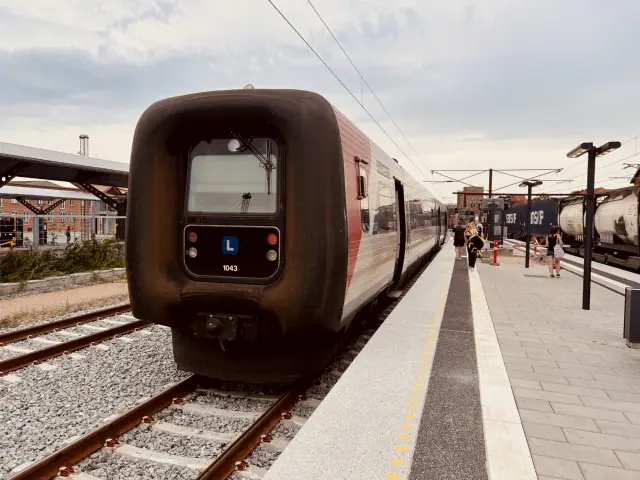
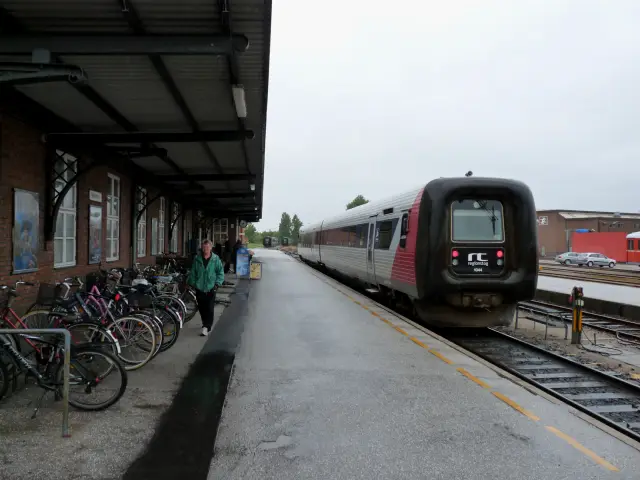
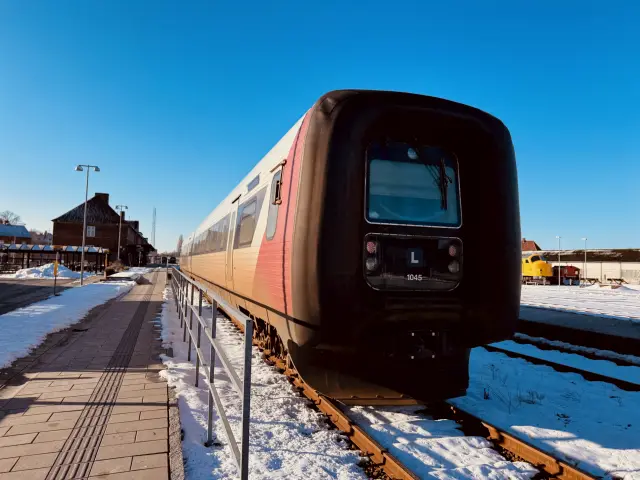
- Self-propelled passenger trainset
- Producent
- Bombardier Transportation
- Største hastighed
- 100 km/h
- Længde
- 41 m
- Vægt i driftsklar stand
- 64.300 kg
- Akseltryk
- 10.700 kg
- Sporvidde
- 1.435 mm
- Energiforsyning
- Autonomous
- Førerrum
- 2
- Køretøjer i fast sammensætning
- 2
- Mindste kurveradius
- 90 m
- Profil
- GA
1. Generelle oplysninger 11
0 Identification of the type
1 General Information
1.2 Alternative type name 4.1.1 Number of driving cabs 1.3 Manufacturer
1.3.1 Manufacturer identification data
1.3.1.1 Name of organisation Bombardier Transportation 1.5 Subcategory Self-propelled passenger trainset Exceptional Mode New authorisation after upgrade or renewal
2. Overensstemmelse med TSI 4
2.1 Conformity with TSI and Sections not complied with
1435mm / Autonomous / Decision 2012/696/EU Set_2 HS+CR CCS (Dec 2012/88/EU amended by Dec 2012/696/EU) 1435mm / Autonomous / None 2.2 Reference of ‘EC type examination certificates’
Reference of ‘EC type examination certificates’ - if module SB applied - and/or ‘design verification certificate’ - if module SH1 applied 2816/1/SB/2022/CCO/EN/N20220982/V03 Reference of ‘EC type examination certificates’ - if module SB applied - and/or ‘design verification certificate’ - if module SH1 applied 1010/2/SH1/2022/CCO/EN/TRRC6064395/V01
3. Godkendelser 34
Denmark
3.1.1 Member state of authorisation 3.1.2.3 Coded conditions for use and other restrictions 1435mm / Autonomous / Decision 2012/696/EU Set_2 (39 linjer - vis alt)1435mm / Autonomous / Decision 2012/696/EU Set_2
1 Technical restriction related to construction
1.1 Minimum curve radius in meters: 90
1.3 Speed restrictions in Km/h: 100
1.4 Use in multiple operation (maximum number of trainsets authorised to be coupled together to operate as a single train): 5
2 Geographical restriction
2.1 Kinematic gauge (coding WAG TSI): GA
2.2 Wheelset gauge: 2.2.4 Gauge 1435
2.4 ERTMS on board: 2.4.1 ETCS
2.4 ERTMS on board: 2.4.2 GSM-R voice
2.4 ERTMS on board: 2.4.3 GSM-R for ETCS
3 Environmental restrictions
3.1 Climatic zone: 3.1.1 T1
1435mm / Autonomous / None
1 Technical restriction related to construction
1.1 Minimum curve radius in meters: 90
1.3 Speed restrictions in Km/h: 100
1.4 Use in multiple operation (maximum number of trainsets authorised to be coupled together to operate as a single train): 5
2 Geographical restriction
2.1 Kinematic gauge (coding WAG TSI): GA
2.2 Wheelset gauge: 2.2.4 Gauge 1435
2.4 ERTMS on board: 2.4.1 ETCS
2.4 ERTMS on board: 2.4.2 GSM-R voice
2.4 ERTMS on board: 2.4.3 GSM-R for ETCS
3 Environmental restrictions
3.1 Climatic zone: 3.1.1 T1
1435mm / Autonomous
1 Technical restriction related to construction
1.1 Minimum curve radius in meters: 90
1.3 Speed restrictions in Km/h: 100
1.4 Use in multiple operation (maximum number of trainsets authorised to be coupled together to operate as a single train): 5
2 Geographical restriction
2.1 Kinematic gauge (coding WAG TSI): GA
2.2 Wheelset gauge: 2.2.4 Gauge 1435
2.4 ERTMS on board: 2.4.1 ETCS
2.4 ERTMS on board: 2.4.2 GSM-R voice
2.4 ERTMS on board: 2.4.3 GSM-R for ETCS
3 Environmental restrictions
3.1 Climatic zone: 3.1.1 T1 3.1.2.4 Non-coded conditions for use and other restrictions 1435mm / Autonomous (39 linjer - vis alt)1435mm / Autonomous
Cold Movement Detector does not cover lateral movement, vehicle rotation and cold movement when brakes are applied, in these situations the CMD is not able to detect the train movement.
Train running number provided to the GSM-R voice radio shall not be used for safety relevant purpose.
In case of a start of mission in level 2 without RBC session open, the entry in SR mode is under driver’s responsibility.
The EB is automatically commanded when an application of the service brake fails (Subset 026 §3.1.4.1.2). Unisig Subset-091 does not require a maximum time and distance to apply the EB in that case. Therefore the hazard which is covered by the ETCS application is the following: “No detection of SB failure leading to not apply the EB”. This detection is guaranteed in SIL4. Time and distance requirement are only performance requirements.
The GSM-R SVR400+ radio is only allowed to be used in Denmark. For full list of the mandatory and optional EIRENE FRS/SRS functionalities which is not supported, please see section 3 in TÜV SÜD NoBo file.
At generic level the parameter D_LEVELTR used is “NOW” instead of “0”. This value does, after analysis, cause no problem in the operation in Denmark. Other countries might be impacted (not yet analysed). Therefore the operation is limited to Denmark.
Only the sim cards as specified in letter TS10401-00013, see /SIM Card/, are authorized to be used in Denmark.
The IC2 train is not allowed to operate in tunnels
Snehøjde 35-60 cm: Max. hastigheden reduceres til 80 km/t
Snehøjde over 60 cm: Kørslen indstilles, og rydning af spor foretages før der igen må køres tog.
Togsæt med op til 4 aflåste døre, maksimalt 2 i hver side, må befordre passagerer frem til hhv. Nakskov, Holbæk og Tølløse.
Aflåses yderligere døre må togsættet ikke befordre passagerer.
1435mm / Autonomous / Decision 2012/696/EU Set_2
Cold Movement Detector does not cover lateral movement, vehicle rotation and cold movement when brakes are applied, in these situations the CMD is not able to detect the train movement.
Train running number provided to the GSM-R voice radio shall not be used for safety relevant purpose.
In case of a start of mission in level 2 without RBC session open, the entry in SR mode is under driver’s responsibility.
The EB is automatically commanded when an application of the service brake fails (Subset 026 §3.1.4.1.2). Unisig Subset-091 does not require a maximum time and distance to apply the EB in that case. Therefore the hazard which is covered by the ETCS application is the following: “No detection of SB failure leading to not apply the EB”. This detection is guaranteed in SIL4. Time and distance requirement are only performance requirements.
The GSM-R SVR400+ radio is only allowed to be used in Denmark. For full list of the mandatory and optional EIRENE FRS/SRS functionalities which is not supported, please see section 3 in TÜV SÜD NoBo file.
At generic level the parameter D_LEVELTR used is “NOW” instead of “0”. This value does, after analysis, cause no problem in the operation in Denmark. Other countries might be impacted (not yet analysed). Therefore the operation is limited to Denmark.
Only the sim cards as specified in letter TS10401-00013, see /SIM Card/, are authorized to be used in Denmark.
The IC2 train is not allowed to operate in tunnels
Snehøjde 35-60 cm: Max. hastigheden reduceres til 80 km/t
Snehøjde over 60 cm: Kørslen indstilles, og rydning af spor foretages før der igen må køres tog.
Togsæt med op til 4 aflåste døre, maksimalt 2 i hver side, må befordre passagerer frem til hhv. Nakskov, Holbæk og Tølløse.
Aflåses yderligere døre må togsættet ikke befordre passagerer.
1435mm / Autonomous / None
Cold Movement Detector does not cover lateral movement, vehicle rotation and cold movement when brakes are applied, in these situations the CMD is not able to detect the train movement.
Train running number provided to the GSM-R voice radio shall not be used for safety relevant purpose.
In case of a start of mission in level 2 without RBC session open, the entry in SR mode is under driver’s responsibility.
The EB is automatically commanded when an application of the service brake fails (Subset 026 §3.1.4.1.2). Unisig Subset-091 does not require a maximum time and distance to apply the EB in that case. Therefore the hazard which is covered by the ETCS application is the following: “No detection of SB failure leading to not apply the EB”. This detection is guaranteed in SIL4. Time and distance requirement are only performance requirements.
The GSM-R SVR400+ radio is only allowed to be used in Denmark. For full list of the mandatory and optional EIRENE FRS/SRS functionalities which is not supported, please see section 3 in TÜV SÜD NoBo file.
At generic level the parameter D_LEVELTR used is “NOW” instead of “0”. This value does, after analysis, cause no problem in the operation in Denmark. Other countries might be impacted (not yet analysed). Therefore the operation is limited to Denmark.
Only the sim cards as specified in letter TS10401-00013, see /SIM Card/, are authorized to be used in Denmark.
The IC2 train is not allowed to operate in tunnels
Snehøjde 35-60 cm: Max. hastigheden reduceres til 80 km/t
Snehøjde over 60 cm: Kørslen indstilles, og rydning af spor foretages før der igen må køres tog.
Togsæt med op til 4 aflåste døre, maksimalt 2 i hver side, må befordre passagerer frem til hhv. Nakskov, Holbæk og Tølløse.
Aflåses yderligere døre må togsættet ikke befordre passagerer. 3.1.3.1.1 Date of the original authorisation 3.1.3.2.2 Date of the last modification 3.1.3.2.3 Authorisation holder
3.1.3.2.3.1 Authorisation holder identification data
3.1.3.2.3.1.1 Name of organisation 3.1.3.2.3.1.2 Registered business number 3.1.3.2.3.2 Authorisation holder contact data
3.1.3.2.3.2.1 Address of organisation, street and number 3.1.3.2.3.2.3 Country code 3.1.3.2.4 Authorisation document reference 3.1.3.2.5 Certificate of verification : Reference of type examination or design examination type 1010/2/SH1/2022/CCO/EN/TRRC6064395/V01
2816/1/SB/2022/CCO/EN/N20220982/V03 3.1.3.2.6 Parameters for which conformity to applicable national rules has been assessed 1435mm / Autonomous (36 linjer - vis alt)1435mm / Autonomous
1.1 General documentation
2.1.2.1 Load conditions and weighed mass
2.1.2.2 Axle load and wheel load
3.1 Vehicle gauge
3.2.1 Running safety and dynamics
3.2.4 Track loading compatibility parameters
8.3.4 Earthing
8.4.2.2.1 Electro-magnetic fields/Induced voltages in the track/under the vehicle
12.2.4.5 Compatibility with fixed installations of CCS
12.2.5.1 Level crossing functionality
12.2.5.3 Reliability - availability requirements
1435mm / Autonomous / Decision 2012/696/EU Set_2
1.1 General documentation
2.1.2.1 Load conditions and weighed mass
2.1.2.2 Axle load and wheel load
3.1 Vehicle gauge
3.2.1 Running safety and dynamics
3.2.4 Track loading compatibility parameters
8.3.4 Earthing
8.4.2.2.1 Electro-magnetic fields/Induced voltages in the track/under the vehicle
12.2.4.5 Compatibility with fixed installations of CCS
12.2.5.1 Level crossing functionality
12.2.5.3 Reliability - availability requirements
1435mm / Autonomous / None
1.1 General documentation
2.1.2.1 Load conditions and weighed mass
2.1.2.2 Axle load and wheel load
3.1 Vehicle gauge
3.2.1 Running safety and dynamics
3.2.4 Track loading compatibility parameters
8.3.4 Earthing
8.4.2.2.1 Electro-magnetic fields/Induced voltages in the track/under the vehicle
12.2.4.5 Compatibility with fixed installations of CCS
12.2.5.1 Level crossing functionality
12.2.5.3 Reliability - availability requirements 3.1.3.2.8 Reference to the written declaration by the proposer referred to in Article 3(11) of Regulation (EU) 402/2013 Declaration on Safety, dateret 21-06-2023 3.1.3.1 Initial Registration
3.1.2.3 Coded conditions for use and other restrictions 1435mm / Autonomous / Decision 2012/696/EU Set_2 (26 linjer - vis alt)1435mm / Autonomous / Decision 2012/696/EU Set_2
1 Technical restriction related to construction
1.1 Minimum curve radius in meters: 90
1.3 Speed restrictions in Km/h: 100
1.4 Use in multiple operation (maximum number of trainsets authorised to be coupled together to operate as a single train): 1
2 Geographical restriction
2.1 Kinematic gauge (coding WAG TSI): GA
2.2 Wheelset gauge: 2.2.4 Gauge 1435
2.4 ERTMS on board: 2.4.1 ETCS
2.4 ERTMS on board: 2.4.2 GSM-R voice
2.4 ERTMS on board: 2.4.3 GSM-R for ETCS
3 Environmental restrictions
3.1 Climatic zone: 3.1.1 T1
1435mm / Autonomous / None
1 Technical restriction related to construction
1.1 Minimum curve radius in meters: 90
1.3 Speed restrictions in Km/h: 100
1.4 Use in multiple operation (maximum number of trainsets authorised to be coupled together to operate as a single train): 1
2 Geographical restriction
2.1 Kinematic gauge (coding WAG TSI): GA
2.2 Wheelset gauge: 2.2.4 Gauge 1435
2.4 ERTMS on board: 2.4.1 ETCS
2.4 ERTMS on board: 2.4.2 GSM-R voice
2.4 ERTMS on board: 2.4.3 GSM-R for ETCS
3 Environmental restrictions
3.1 Climatic zone: 3.1.1 T1 3.1.2.4 Non-coded conditions for use and other restrictions 1435mm / Autonomous / Decision 2012/696/EU Set_2 (28 linjer - vis alt)1435mm / Autonomous / Decision 2012/696/EU Set_2
Cold Movement Detector does not cover lateral movement, vehicle rotation and cold movement when brakes are applied, in these situations the CMD is not able to detect the train movement.
Train running number provided to the GSM-R voice radio shall not be used for safety relevant purpose.
In case of a start of mission in level 2 without RBC session open, the entry in SR mode is under driver’s responsibility.
The EB is automatically commanded when an application of the service brake fails (Subset 026 §3.1.4.1.2). Unisig Subset-091 does not require a maximum time and distance to apply the EB in that case. Therefore the hazard which is covered by the ETCS application is the following: “No detection of SB failure leading to not apply the EB”. This detection is guaranteed in SIL4. Time and distance requirement are only performance requirements.
The GSM-R SVR400+ radio is only allowed to be used in Denmark. For full list of the mandatory and optional EIRENE FRS/SRS functionalities which is not supported, please see section 3 in TÜV SÜD NoBo file.
At generic level the parameter D_LEVELTR used is “NOW” instead of “0”. This value does, after analysis, cause no problem in the operation in Denmark. Other countries might be impacted (not yet analysed). Therefore the operation is limited to Denmark.
Only the sim cards as specified in letter TS10401-00013, see /SIM Card/, are authorized to be used in Denmark.
The IC2 train is not allowed to operate in tunnels
Snehøjde 35-60 cm: Max. hastigheden reduceres til 80 km/t
Snehøjde over 60 cm: Kørslen indstilles, og rydning af spor foretages før der igen må køres tog.
Togsæt med op til 4 aflåste døre, maksimalt 2 i hver side, må befordre passagerer frem til hhv. Nakskov, Holbæk og Tølløse.
Aflåses yderligere døre må togsættet ikke befordre passagerer.
Køretøjstypen må ikke operere sammenkoblet med andre køretøjer af samme type på grund af manglende test af ETCS i sleeping mode. Der er identificeret et åbent punkt i [R111] ”Site Functional Test Report IC2 Lokaltog FOC – Baseline 3 dok. nr. A-0000366772 rev. B pkt. 3.2 tabel 5; Test ID: Mode_1. Forholdet er beskrevet i [R117] ”Validation Report – LT IC2 Train” dok. nr. A0000387946, rev. A, pkt. 4.1, tabel 8; række 3 og 8.
1435mm / Autonomous / None
Cold Movement Detector does not cover lateral movement, vehicle rotation and cold movement when brakes are applied, in these situations the CMD is not able to detect the train movement.
Train running number provided to the GSM-R voice radio shall not be used for safety relevant purpose.
In case of a start of mission in level 2 without RBC session open, the entry in SR mode is under driver’s responsibility.
The EB is automatically commanded when an application of the service brake fails (Subset 026 §3.1.4.1.2). Unisig Subset-091 does not require a maximum time and distance to apply the EB in that case. Therefore the hazard which is covered by the ETCS application is the following: “No detection of SB failure leading to not apply the EB”. This detection is guaranteed in SIL4. Time and distance requirement are only performance requirements.
The GSM-R SVR400+ radio is only allowed to be used in Denmark. For full list of the mandatory and optional EIRENE FRS/SRS functionalities which is not supported, please see section 3 in TÜV SÜD NoBo file.
At generic level the parameter D_LEVELTR used is “NOW” instead of “0”. This value does, after analysis, cause no problem in the operation in Denmark. Other countries might be impacted (not yet analysed). Therefore the operation is limited to Denmark.
Only the sim cards as specified in letter TS10401-00013, see /SIM Card/, are authorized to be used in Denmark.
The IC2 train is not allowed to operate in tunnels
Snehøjde 35-60 cm: Max. hastigheden reduceres til 80 km/t
Snehøjde over 60 cm: Kørslen indstilles, og rydning af spor foretages før der igen må køres tog.
Togsæt med op til 4 aflåste døre, maksimalt 2 i hver side, må befordre passagerer frem til hhv. Nakskov, Holbæk og Tølløse.
Aflåses yderligere døre må togsættet ikke befordre passagerer.
Køretøjstypen må ikke operere sammenkoblet med andre køretøjer af samme type på grund af manglende test af ETCS i sleeping mode. Der er identificeret et åbent punkt i [R111] ”Site Functional Test Report IC2 Lokaltog FOC – Baseline 3 dok. nr. A-0000366772 rev. B pkt. 3.2 tabel 5; Test ID: Mode_1. Forholdet er beskrevet i [R117] ”Validation Report – LT IC2 Train” dok. nr. A0000387946, rev. A, pkt. 4.1, tabel 8; række 3 og 8. 3.1.3.1.1 Date of the original authorisation 3.1.3.1.2 Authorisation holder
3.1.3.1.2.1 Authorisation holder identification data
3.1.3.1.2.1.1 Name of organisation 3.1.3.1.2.1.2 Registered business number 3.1.3.1.2.2 Authorisation holder contact data
3.1.3.1.2.2.1 Address of organisation, street and number 3.1.3.1.2.2.3 Country code 3.1.3.1.3 Authorisation document reference 3.1.3.1.4 Certificate of verification : Reference of type examination or design examination type 1010/2/SH1/2022/CCO/EN/TRRC6064395/V01
2816/1/SB/2022/CCO/EN/N20220982/V03 3.1.3.1.5 Parameters for which conformity to applicable national rules has been assessed 1435mm / Autonomous / Decision 2012/696/EU Set_2 (24 linjer - vis alt)1435mm / Autonomous / Decision 2012/696/EU Set_2
1.1 General documentation
2.1.2.1 Load conditions and weighed mass
2.1.2.2 Axle load and wheel load
3.1 Vehicle gauge
3.2.1 Running safety and dynamics
3.2.4 Track loading compatibility parameters
8.3.4 Earthing
8.4.2.2.1 Electro-magnetic fields/Induced voltages in the track/under the vehicle
12.2.4.5 Compatibility with fixed installations of CCS
12.2.5.1 Level crossing functionality
12.2.5.3 Reliability - availability requirements
1435mm / Autonomous / None
1.1 General documentation
2.1.2.1 Load conditions and weighed mass
2.1.2.2 Axle load and wheel load
3.1 Vehicle gauge
3.2.1 Running safety and dynamics
3.2.4 Track loading compatibility parameters
8.3.4 Earthing
8.4.2.2.1 Electro-magnetic fields/Induced voltages in the track/under the vehicle
12.2.4.5 Compatibility with fixed installations of CCS
12.2.5.1 Level crossing functionality
12.2.5.3 Reliability - availability requirements 3.1.3.1.7 Reference to the written declaration by the proposer referred to in Article 3(11) of Regulation (EU) 402/2013 Declaration on Safety, dateret 21-06-2023 3.1.3.2 Correction
3.1.3.2.2 Date of the last modification 3.1.2.3 Coded conditions for use and other restrictions 1435mm / Autonomous (19 linjer - vis alt)1435mm / Autonomous
1 Technical restriction related to construction
1.1 Minimum curve radius in meters: 90
1.3 Speed restrictions in Km/h: 100
1.4 Use in multiple operation (maximum number of trainsets authorised to be coupled together to operate as a single train): 5
2 Geographical restriction
2.1 Kinematic gauge (coding WAG TSI): GA
2.2 Wheelset gauge: 2.2.4 Gauge 1435
2.4 ERTMS on board: 2.4.1 ETCS
2.4 ERTMS on board: 2.4.2 GSM-R voice
2.4 ERTMS on board: 2.4.3 GSM-R for ETCS
3 Environmental restrictions
3.1 Climatic zone: 3.1.1 T1
1435mm / Autonomous / Decision 2012/696/EU Set_2
1 Technical restriction related to construction
1.4 Use in multiple operation (maximum number of trainsets authorised to be coupled together to operate as a single train): 5
1435mm / Autonomous / None
1 Technical restriction related to construction
1.4 Use in multiple operation (maximum number of trainsets authorised to be coupled together to operate as a single train): 5 3.1.2.4 Non-coded conditions for use and other restrictions 1435mm / Autonomous (39 linjer - vis alt)1435mm / Autonomous
Cold Movement Detector does not cover lateral movement, vehicle rotation and cold movement when brakes are applied, in these situations the CMD is not able to detect the train movement.
Train running number provided to the GSM-R voice radio shall not be used for safety relevant purpose.
In case of a start of mission in level 2 without RBC session open, the entry in SR mode is under driver’s responsibility.
The EB is automatically commanded when an application of the service brake fails (Subset 026 §3.1.4.1.2). Unisig Subset-091 does not require a maximum time and distance to apply the EB in that case. Therefore the hazard which is covered by the ETCS application is the following: “No detection of SB failure leading to not apply the EB”. This detection is guaranteed in SIL4. Time and distance requirement are only performance requirements.
The GSM-R SVR400+ radio is only allowed to be used in Denmark. For full list of the mandatory and optional EIRENE FRS/SRS functionalities which is not supported, please see section 3 in TÜV SÜD NoBo file.
At generic level the parameter D_LEVELTR used is “NOW” instead of “0”. This value does, after analysis, cause no problem in the operation in Denmark. Other countries might be impacted (not yet analysed). Therefore the operation is limited to Denmark.
Only the sim cards as specified in letter TS10401-00013, see /SIM Card/, are authorized to be used in Denmark.
The IC2 train is not allowed to operate in tunnels
Snehøjde 35-60 cm: Max. hastigheden reduceres til 80 km/t
Snehøjde over 60 cm: Kørslen indstilles, og rydning af spor foretages før der igen må køres tog.
Togsæt med op til 4 aflåste døre, maksimalt 2 i hver side, må befordre passagerer frem til hhv. Nakskov, Holbæk og Tølløse.
Aflåses yderligere døre må togsættet ikke befordre passagerer.
1435mm / Autonomous / Decision 2012/696/EU Set_2
Cold Movement Detector does not cover lateral movement, vehicle rotation and cold movement when brakes are applied, in these situations the CMD is not able to detect the train movement.
Train running number provided to the GSM-R voice radio shall not be used for safety relevant purpose.
In case of a start of mission in level 2 without RBC session open, the entry in SR mode is under driver’s responsibility.
The EB is automatically commanded when an application of the service brake fails (Subset 026 §3.1.4.1.2). Unisig Subset-091 does not require a maximum time and distance to apply the EB in that case. Therefore the hazard which is covered by the ETCS application is the following: “No detection of SB failure leading to not apply the EB”. This detection is guaranteed in SIL4. Time and distance requirement are only performance requirements.
The GSM-R SVR400+ radio is only allowed to be used in Denmark. For full list of the mandatory and optional EIRENE FRS/SRS functionalities which is not supported, please see section 3 in TÜV SÜD NoBo file.
At generic level the parameter D_LEVELTR used is “NOW” instead of “0”. This value does, after analysis, cause no problem in the operation in Denmark. Other countries might be impacted (not yet analysed). Therefore the operation is limited to Denmark.
Only the sim cards as specified in letter TS10401-00013, see /SIM Card/, are authorized to be used in Denmark.
The IC2 train is not allowed to operate in tunnels
Snehøjde 35-60 cm: Max. hastigheden reduceres til 80 km/t
Snehøjde over 60 cm: Kørslen indstilles, og rydning af spor foretages før der igen må køres tog.
Togsæt med op til 4 aflåste døre, maksimalt 2 i hver side, må befordre passagerer frem til hhv. Nakskov, Holbæk og Tølløse.
Aflåses yderligere døre må togsættet ikke befordre passagerer.
1435mm / Autonomous / None
Cold Movement Detector does not cover lateral movement, vehicle rotation and cold movement when brakes are applied, in these situations the CMD is not able to detect the train movement.
Train running number provided to the GSM-R voice radio shall not be used for safety relevant purpose.
In case of a start of mission in level 2 without RBC session open, the entry in SR mode is under driver’s responsibility.
The EB is automatically commanded when an application of the service brake fails (Subset 026 §3.1.4.1.2). Unisig Subset-091 does not require a maximum time and distance to apply the EB in that case. Therefore the hazard which is covered by the ETCS application is the following: “No detection of SB failure leading to not apply the EB”. This detection is guaranteed in SIL4. Time and distance requirement are only performance requirements.
The GSM-R SVR400+ radio is only allowed to be used in Denmark. For full list of the mandatory and optional EIRENE FRS/SRS functionalities which is not supported, please see section 3 in TÜV SÜD NoBo file.
At generic level the parameter D_LEVELTR used is “NOW” instead of “0”. This value does, after analysis, cause no problem in the operation in Denmark. Other countries might be impacted (not yet analysed). Therefore the operation is limited to Denmark.
Only the sim cards as specified in letter TS10401-00013, see /SIM Card/, are authorized to be used in Denmark.
The IC2 train is not allowed to operate in tunnels
Snehøjde 35-60 cm: Max. hastigheden reduceres til 80 km/t
Snehøjde over 60 cm: Kørslen indstilles, og rydning af spor foretages før der igen må køres tog.
Togsæt med op til 4 aflåste døre, maksimalt 2 i hver side, må befordre passagerer frem til hhv. Nakskov, Holbæk og Tølløse.
Aflåses yderligere døre må togsættet ikke befordre passagerer. 3.1.3.2.6 Parameters for which conformity to applicable national rules has been assessed 1435mm / Autonomous (12 linjer - vis alt)1435mm / Autonomous
1.1 General documentation
2.1.2.1 Load conditions and weighed mass
2.1.2.2 Axle load and wheel load
3.1 Vehicle gauge
3.2.1 Running safety and dynamics
3.2.4 Track loading compatibility parameters
8.3.4 Earthing
8.4.2.2.1 Electro-magnetic fields/Induced voltages in the track/under the vehicle
12.2.4.5 Compatibility with fixed installations of CCS
12.2.5.1 Level crossing functionality
12.2.5.3 Reliability - availability requirements
4. Tekniske egenskaber 57
4.1.12 Number of vehicles composing the fixed formation (for fixed formation only) 4.13.1 Signalling
4.13.1.1 ETCS equipment on-board and the set of specifications from CCS TSI Appendix A Decision 2012/696/EU Set_2 4.13.1.5 Class B or other train protection, control and warning legacy systems installed (system and, if applicable, version) 4.13.1.7 ETCS on-board implementation Baseline 3, ERTMS 6.4.0 LT, Level 2 4.13.1.8 ETCS System Compatibility 4.13.1.9 Managing information about the completeness of the train (not from driver) 4.13.2 Radio
4.13.2.1 GSM-R Radio voice on board and its Baseline Regulation 2016/919 Set_2 4.13.2.3 Class B or other radio legacy systems installed (system and, if applicable, version) 4.13.2.5 Radio Voice System Compatibility 4.13.2.6 GSM-R Voice and operational communication implementation 4.13.2.7 GSM-R Radio Data communication on board and its Baseline Decision 2012/696/EU Set_2 4.13.2.8 Radio Data System Compatibility 4.13.2.9 GSM-R Data communication application for ETCS and ATO implementation 4.13.2.10 Voice SIM Card GSM-R Home Network 4.13.2.11 Data SIM Card GSM-R Home Network 4.13.2.12 GSM-R Voice SIM Card support of Group ID 555 4.10.1 Energy supply system (voltage and frequency) 4.1.2 Speed
4.1.2.1 Maximum design speed 4.1.5 Maximum number of trainsets or locomotives coupled together in multiple operation. 4.3.3 Snow, ice and hail conditions 4.4.1 Fire safety category no category, acceptable in tunnels shorter then 1km 4.5.2 Design and operational mass
4.5.2.1 Design mass in working order 4.5.2.2 Design mass under normal payload 4.5.2.3 Design mass under exceptional payload 4.5.3 Static axle load
4.5.3.1 Static axle load in working order 4.5.3.2 Static axle load under normal payload 4.5.3.3 Static axle load under exceptional payload 4.5.3.4 Position of the axles along the unit (axle spacing) : a: Distance between axles b: Distance from end axle to the end of the nearest coupling plane c: distance between two inside axles a: 2,5 m b: 1,67 m c: 15,13 m
Explanations: Two values for a: Front bogie 2,50m Center bogier 2,70m 4.5.5 Total vehicle mass (for each vehicle of the unit) 4.6.4 Combination of maximum speed and maximum cant deficiency for which the vehicle was assessed 1435mm: 100 km/h · 160 mm 4.7.1 Maximum average deceleration 4.7.2.1 Brake performance on steep gradients with normal payload
4.7.2.1.2 Speed (if no reference case is indicated) 4.7.2.1.3 Gradient (if no reference case is indicated) 4.7.2.1.4 Distance (if no reference case is indicated) 4.7.3 Parking brake
4.7.3.3 Maximum gradient on which the unit is kept immobilized by the parking brake alone (if the vehicle is fitted with it) 4.7.4.1 Eddy current brake
4.7.4.1.1 Eddy current track brake fitted 4.7.4.2 Magnetic brake
4.7.4.2.1 Magnetic track brake fitted 4.7.4.2.2 Possibility of preventing the use of the magnetic track brake (only if fitted with magnetic brake) 4.7.4.3 Regenerative brake (only for vehicles with electrical traction)
4.7.4.3.1 Regenerative brake fitted 4.7.5 Emergency brake : Stopping distance and deceleration profile for each load condition per design maximum speed a: Load condition: working order b: Load condition: normal payload c: Load condition: exceptional payload a: 323 m · 1,22 m/s²
b: 323 m · 1,22 m/s²
c: 323 m · 1,22 m/s² 4.7.6 For general operation : Brake weight percentage (lambda) or Braked mass 4.7.7 Service brake: At maximum service brake: Stopping distance, Maximum deceleration, for the load condition ‘design mass under normal payload’ at the design maximum speed. 4.7.8 Wheel slide protection system 4.8.2 Minimum in-service wheel diameter 4.8.4 Minimum horizontal curve radius capability 4.8.5 Minimum vertical convex curve radius capability 4.8.6 Minimum vertical concave curve radius capability 4.9.1 Type of end coupling Automatic
Tensile force: 750 kN
Compressive force: 1.500 kN 4.9.2 Axle bearing condition monitoring (hot axles box detection) 4.12.3.1 Platform heights for which the vehicle is designed. 4.14.1 Type of train detection systems for which the vehicle has been designed and assessed Track circuits
Axle counters
Fra ERA's typeudtræk (Single Vehicle Type export) - parametrenes navne og numre er ERA's egne. Kontaktoplysninger som e-mailadresser er udeladt. Kilde: Den Europæiske Unions Jernbaneagentur (ERA).
|